The music
The Four Seasons explained
What each of Vivaldi’s four seasons depicts, movement by movement, taken from the sonnets that were printed with the music in 1725.
Book the Four Seasons concert ↗Quick answer
Vivaldi’s Four Seasons are four violin concertos, each in three movements and each paired with a sonnet. Spring brings birdsong, storms and a country dance. Summer brings heat and a violent storm. Autumn brings a harvest and a hunt. Winter brings ice, a fire and rain. Wikipedia dates them to around 1718 to 1723 and says they were published in Amsterdam in 1725.
What the work is
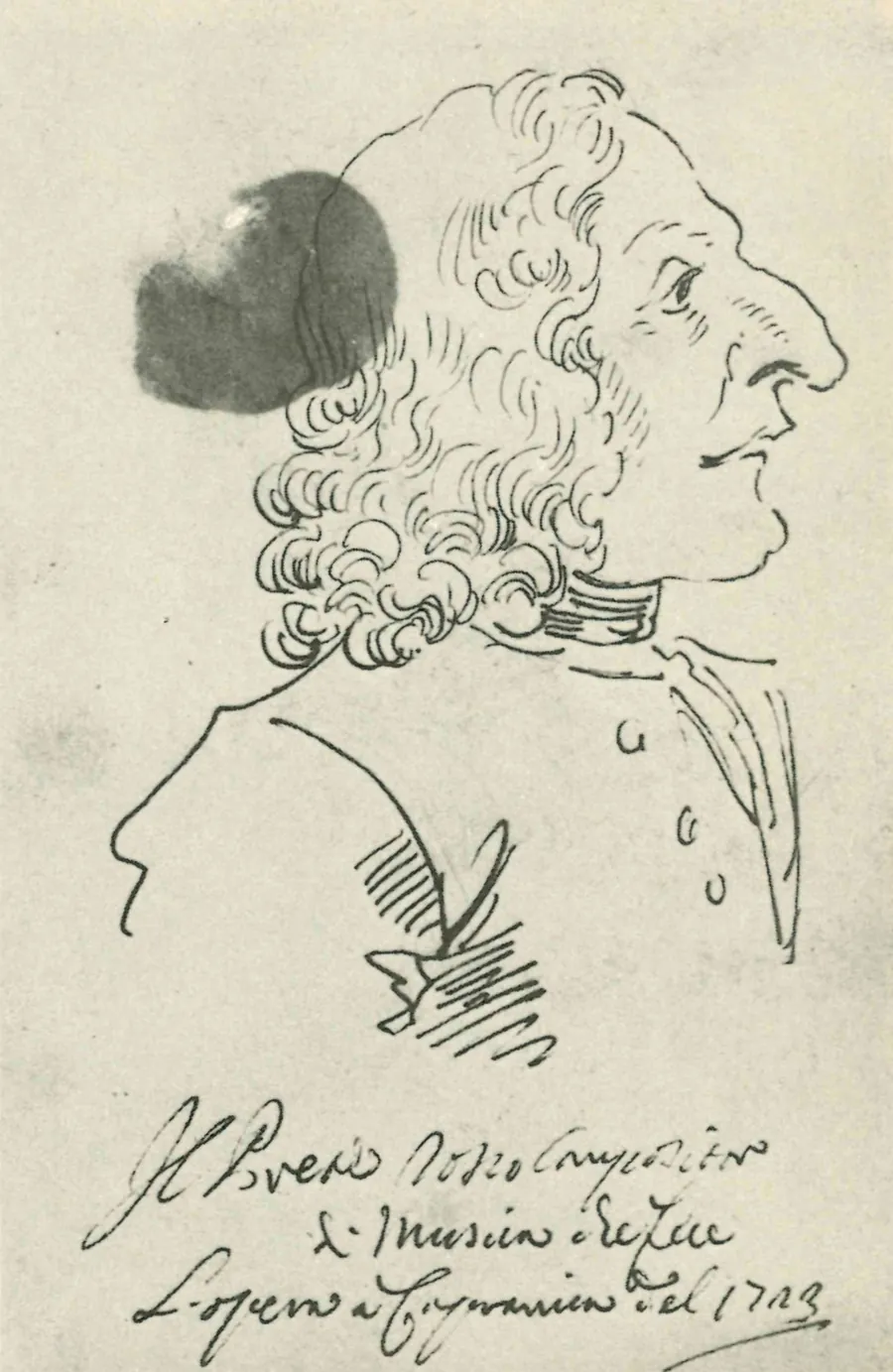
The Four Seasons, Le quattro stagioni in Italian, are four violin concertos by Antonio Vivaldi, which Wikipedia names the most familiar of his works. He wrote them around 1718 to 1723, during his years at the Mantuan court, and they were printed in Amsterdam in 1725 as the opening four of twelve concertos in Il cimento dell’armonia e dell’inventione, Opus 8. Each concerto has three movements and a sonnet in three parts to match. Who wrote the sonnets is unknown, though Vivaldi may have.
Spring, the first concerto
Spring is in E major, catalogued RV 269. In the opening Allegro, birds greet the season, streams murmur, and thunderstorms announce it before the birds resume their song. The slow movement, a Largo in C sharp minor, shows a goatherd asleep in a meadow beside his faithful dog, and Wikipedia notes the barking dog is heard in the viola. The closing Allegro pastorale has nymphs and shepherds dancing to the sound of bagpipes. It runs about ten minutes.
Summer, the storm
Summer, in G minor and catalogued RV 315, opens with man and flock languishing in the heat, with birds singing and a north wind sweeping away the breezes. The score carries the instruction “Languor caused by the heat”. In the middle movement the shepherd cannot rest, fearing lightning, thunder and swarms of insects. The final Presto is a violent storm with hail that destroys the wheat. It lasts about eleven minutes, and the storm is the part the bows attack hardest.
Autumn, the harvest and the hunt
Autumn is in F major, catalogued RV 293. The opening Allegro celebrates the harvest with dance and song, and many a drinker is soon asleep. The Adagio molto in D minor lulls everyone into slumber, and Wikipedia quotes the score’s remark that the drunkards have dozed off. At dawn in the finale, hunters head out with horns, guns and hounds. The wounded quarry flees and dies. Wikipedia gives about eleven minutes for the concerto.
Winter, ice and fire
Winter is in F minor and catalogued RV 297. People shiver in icy snow, stamp their feet and chatter their teeth. The Largo in E flat major offers quiet, contented days by the fire while rain falls outside. In the final Allegro they walk carefully on ice, fall, and hurry across as it cracks, while winds blow through the house. Wikipedia ends its account with a line that winter brings its own delights. About nine minutes of music.
Why the sonnets matter
The sonnets give the listener a plot to follow: a dog barking, a storm, a hunt, ice cracking. They do not tell you how to feel, only what the strings are imitating. At a concert it helps to read the sonnet for the next season before the music starts, or to hear it once and then read it. The ensemble may play the seasons in the order Vivaldi printed them, or in another.
Programme music before the name existed
Wikipedia describes the four concertos as pioneering programme music, in which the instruments are asked to paint things that lie outside music. Each follows the fast, slow, fast plan of the time. The difference lies in the extra layer: the sonnets printed with the score, which tell player and listener what each passage imitates.
Published in Amsterdam
Wikipedia says the work was published in 1725 by Michel-Charles Le Cène in Amsterdam, as the first four of the twelve concertos in Il cimento dell’armonia e dell’inventione, Opus 8. The title means The Contest Between Harmony and Invention. The set is Vivaldi’s Opus 8, and the four seasons are numbered one to four within it. Wikipedia notes that the Four Seasons are the best known of Vivaldi’s works, even though they make up a third of the set.
How long is the whole thing
Wikipedia puts the four concertos at about 10, 11, 11 and 9 minutes, so 40 to 43 minutes in all. A concert at Palazzo Zaguri adds other pieces, which stretches the evening past the Four Seasons alone. No running time is published on the booking page, only a start time for each date. With a hard stop to your evening, check your confirmation before you book dinner.
Frequently asked questions
Who wrote the sonnets?
The author is unknown, according to Wikipedia. Vivaldi may have written them, because each sonnet has three parts that match the three movements.
When was it published?
In 1725 in Amsterdam, as part of Opus 8, according to Wikipedia.
What is the total running time of the four concertos?
About 40 to 43 minutes in all, by Wikipedia’s account.
Sources